

Electricity bills are a regular household expense, and when those bills continue to rise, many people start looking for practical ways to reduce unnecessary energy consumption. From switching to LED bulbs and energy-efficient appliances to changing daily habits, there are many strategies that can help improve energy efficiency. One product that has attracted attention in the energy-saving market is the StopWatt Electricity-Saving Box.
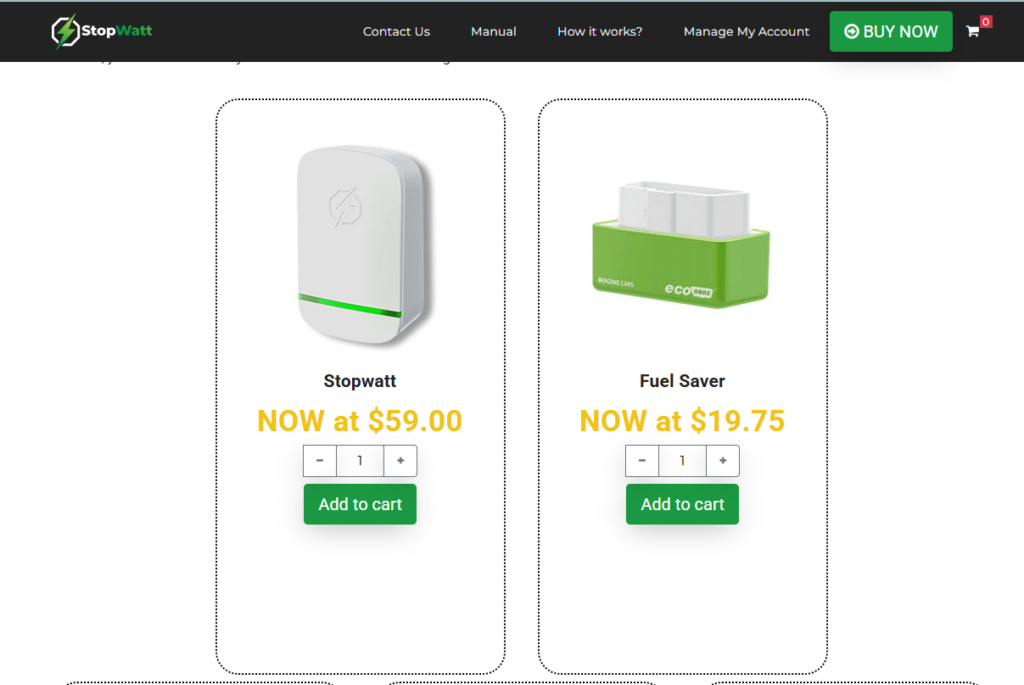
StopWatt is marketed as a compact plug-in device designed for household electrical systems. It is promoted as a simple solution that may help users better understand and manage electricity usage without complicated installation or major changes to their home. However, before purchasing any electricity-saving device, it is important to understand what it does, how electrical billing works, and what realistic expectations should be.
This article provides a detailed overview of the StopWatt Electricity-Saving Box, including its design, intended purpose, features, potential benefits, limitations, and important buying considerations.

What Is the StopWatt Electricity-Saving Box?
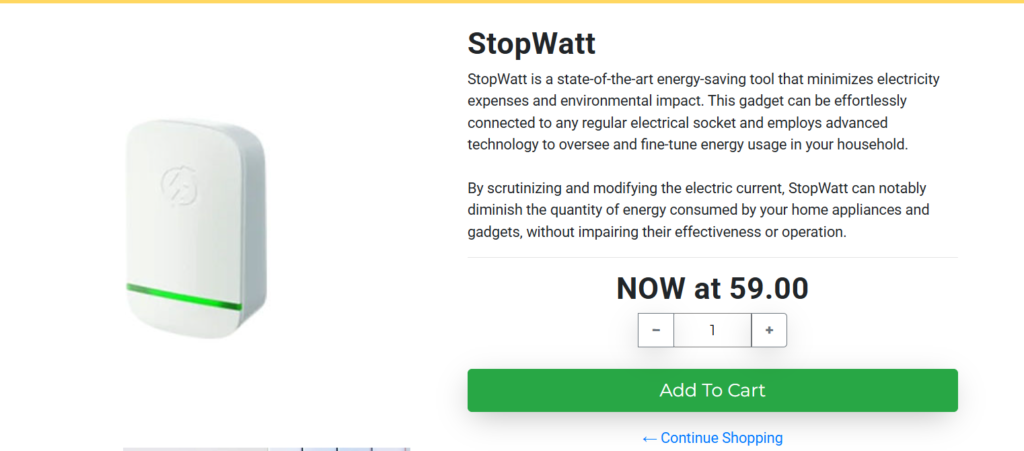
The StopWatt Electricity-Saving Box is a compact electronic device designed to plug into a standard electrical outlet. Its simple plug-and-use concept makes it appealing to homeowners and renters who want an easy way to explore energy-saving technology.
According to product marketing, the device is intended to support more efficient electricity use within a home. The compact design means it does not require professional installation, rewiring, or major modifications to the electrical system.
The typical process is simple:
- Plug the device into an appropriate wall outlet.
- Allow it to operate while connected to the electrical system.
- Continue using household appliances normally.
- Monitor electricity consumption and billing over time.
The main attraction of products like StopWatt is convenience. Instead of replacing appliances or installing an expensive energy-management system, users are offered a small device that can be used with minimal effort.
However, consumers should understand that electricity consumption and billing are complex. A single plug-in device should not automatically be expected to dramatically reduce every household’s electricity bill.
Why Are Electricity Bills Increasing?
Before discussing energy-saving devices, it helps to understand why electricity bills may rise in the first place.
Several factors can affect monthly electricity costs, including:
- Increased electricity rates
- Seasonal heating or cooling
- Air conditioner usage
- Electric heaters
- Water heaters
- Refrigerators and freezers
- Washing machines and dryers
- Older appliances
- Standby power consumption
- Increased household occupancy
- Poor insulation
- Longer appliance operating hours
For example, during summer, air conditioning may operate for several hours every day. During colder months, electric heating can significantly increase electricity usage. Even small changes in daily routines can affect a monthly bill.
This is why identifying the biggest sources of electricity consumption is usually one of the most effective first steps toward reducing costs.
How Is Household Electricity Usually Billed?
Most residential customers are billed based primarily on the amount of real electrical energy they consume, commonly measured in kilowatt-hours (kWh).
For example, if a 1,000-watt appliance operates for one hour, it uses approximately 1 kilowatt-hour of energy.
Your electricity bill may also include:
- Energy charges
- Delivery charges
- Taxes
- Service fees
- Demand-related charges in some situations
- Regional or utility-specific fees
Because billing systems vary between countries, states, and utility companies, the results from any energy-saving approach can also vary.
This is an important consideration when evaluating products that claim to reduce electricity costs. A device may interact with electrical characteristics in a particular way, but that does not necessarily mean the change will translate directly into lower residential electricity bills.
The Concept Behind Electricity-Saving Devices
Some electrical devices are designed to address concepts such as:
- Voltage regulation
- Power quality
- Power factor
- Electrical fluctuations
- Reactive power in certain electrical systems
These concepts are real and important in electrical engineering. However, their relationship to residential electricity bills is not always straightforward.
For example, power-factor correction can be valuable in certain commercial and industrial electrical environments. Large facilities with motors and heavy equipment may have different electrical needs and billing structures than a typical home.
Residential customers, however, are commonly billed primarily according to kilowatt-hours of real energy consumed. Therefore, consumers should be cautious about assuming that improvements in electrical characteristics will automatically produce large reductions in a household electricity bill.
A realistic approach is always best: evaluate your own electricity usage and measure results over several billing cycles.
StopWatt’s Compact and Convenient Design
One of the strongest appeals of the StopWatt Electricity-Saving Box is its compact appearance.
Unlike large energy-management systems, the device is designed to be:
- Small and portable
- Easy to plug in
- Simple to operate
- Suitable for users who prefer minimal setup
- Convenient for testing in a household environment
The product is also designed to avoid complicated installation. For many consumers, this can be attractive because electrical work can be expensive and may require a licensed professional.
A plug-in device removes much of that complexity. However, users should always follow the manufacturer’s instructions and ensure that the outlet and electrical installation are safe and properly maintained.
Potential Benefits of Monitoring Energy Usage
Whether or not a consumer chooses a product like StopWatt, becoming more aware of electricity consumption can provide several benefits.
1. Greater Awareness
People often underestimate how much electricity certain appliances consume. Heating and cooling systems, dryers, ovens, and older refrigerators can have a major effect on monthly usage.
Monitoring consumption can help identify patterns.
2. Encouragement of Better Habits
Energy-saving efforts often begin with simple behavioral changes, such as:
- Turning off unused lights
- Unplugging unnecessary devices
- Adjusting thermostat settings
- Running full loads of laundry
- Using energy-efficient appliances
- Reducing unnecessary heating and cooling
3. Long-Term Cost Awareness
Electricity savings can become more meaningful when viewed over months and years rather than days.
Even modest reductions in unnecessary consumption may contribute to lower long-term energy expenses.
Can StopWatt Reduce Electricity Bills?
This is the most important question for potential buyers.
The honest answer is that results should not be assumed or guaranteed. Actual electricity bills depend on many variables, including the appliances in the home, local utility rates, billing structure, electrical conditions, weather, and personal usage habits.
Consumers should be skeptical of advertisements promising extremely large or guaranteed reductions from a simple plug-in device.
The most reliable way to evaluate a product is through measurement.
A practical testing approach could include:
- Record several previous electricity bills.
- Note the total kilowatt-hours used.
- Consider seasonal changes.
- Use appliances in similar patterns where possible.
- Compare multiple billing periods.
- Avoid drawing conclusions from only a few days of use.
A one-month comparison may not be enough because electricity usage can change significantly due to weather and household activity.
The Importance of Independent Testing
When considering any energy-saving product, independent verification is valuable.
Consumers can look for:
- Clear technical specifications
- Independent laboratory testing
- Electrical safety certifications
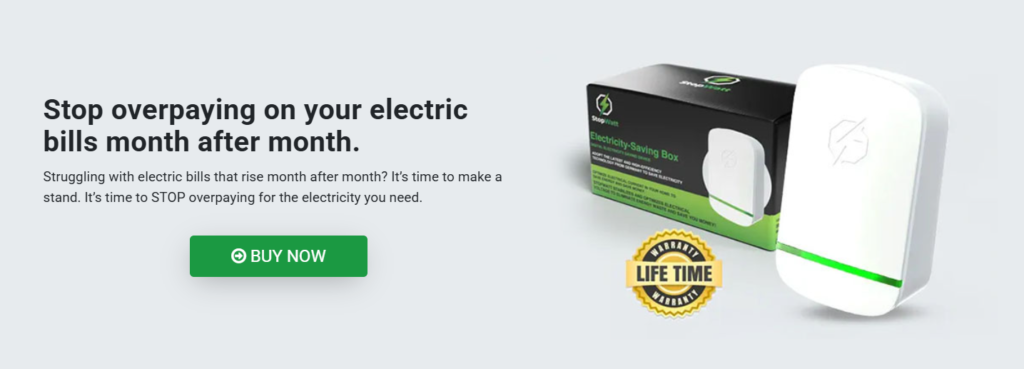
- Reliable warranty information
- Transparent manufacturer details
- Clearly explained return policies
It is also helpful to distinguish between marketing language and independently verified performance.
Words such as “revolutionary,” “guaranteed,” “massive savings,” or “dramatic reduction” should always encourage consumers to look for additional evidence.
A good purchasing decision is based on facts, specifications, and realistic expectations rather than advertising alone.

StopWatt and Electrical Safety
Electrical safety should always be a priority.
Before connecting any plug-in electrical product, consider the following:
- Is the device compatible with your country’s voltage?
- Does the plug match your outlet safely?
- Is the outlet in good condition?
- Does the product include appropriate safety documentation?
- Are there recognized safety certifications where required?
- Does the manufacturer provide clear operating instructions?
Never use a damaged electrical outlet or extension system that appears overloaded.
If you notice overheating, unusual smells, sparks, or damage, disconnect the product if it is safe to do so and seek assistance from a qualified electrician.
Electrical devices should also be kept away from water and used according to their intended environment.
How to Actually Reduce Your Electricity Bill
The most dependable strategy is to combine multiple energy-saving practices.
Upgrade Lighting
LED bulbs generally use less electricity than traditional incandescent bulbs and can last longer.
Manage Heating and Cooling
Heating and air conditioning are often among the largest energy expenses in a home.
Consider:
- Maintaining HVAC equipment
- Cleaning or replacing filters
- Improving insulation
- Using programmable thermostats
- Avoiding unnecessary temperature extremes
Identify Energy-Hungry Appliances
Older appliances may consume significantly more electricity than newer energy-efficient models.
A plug-in electricity monitor can help measure the energy consumption of individual appliances where appropriate.
Reduce Standby Consumption
Many electronic devices continue to consume small amounts of electricity while not actively being used.
Examples include:
- Televisions
- Gaming consoles
- Chargers
- Cable boxes
- Computer accessories
Using power strips and switching off unnecessary equipment can help reduce wasted energy.
Use Appliances Efficiently
Simple habits can make a difference:
- Wash full laundry loads
- Use cold-water washing when appropriate
- Air-dry clothes when possible
- Avoid unnecessary oven preheating
- Keep refrigerator doors closed
- Maintain proper appliance temperatures
Who May Be Interested in StopWatt?
The StopWatt Electricity-Saving Box may attract consumers who are interested in:
- Exploring energy-saving technology
- Plug-in electrical products
- Improving awareness of household energy use
- Simple devices that require minimal installation
- Combining technology with other energy-saving habits
However, it should not be viewed as a replacement for proven energy-efficiency improvements.
The greatest savings are usually achieved by reducing the actual amount of electricity consumed by major appliances and systems.
Questions to Ask Before Buying
Before purchasing StopWatt or any similar product, ask these important questions:
What exactly does the device claim to do?
Look for a clear explanation rather than vague statements about “saving electricity.”
Is the product compatible with my electrical system?
Check voltage, frequency, plug type, and regional compatibility.
Is there independent evidence supporting the claims?
Look beyond testimonials and promotional pages.
What is the return policy?
A clear return policy can provide additional consumer protection.
What is the warranty?
Understand what the manufacturer covers and for how long.
Are safety certifications provided?
Check whether certifications are applicable and relevant to your region.
Are the expected savings realistic?
Be cautious of guaranteed or unusually large savings claims.
A Balanced Approach to Energy Savings
The best way to think about StopWatt is as part of a broader conversation about energy efficiency.
No single product can eliminate electricity costs. Homes use electricity in different ways, and the biggest sources of consumption often depend on lifestyle and climate.
For example:
- A household in a hot climate may spend heavily on air conditioning.
- A cold-region household may use significant electric heating.
- A large family may use more hot water and laundry appliances.
- A home office may increase computer and monitor usage.
- Older homes may have inefficient insulation.
Because every household is different, results can vary.
A smart strategy is to identify the largest energy users first and then make improvements based on measurable data.
Final Thoughts: Is StopWatt Worth Considering?
The StopWatt Electricity-Saving Box is marketed as a simple, convenient plug-in product for consumers interested in reducing unnecessary electricity costs and exploring energy-saving technology.
Its compact design and easy setup may appeal to people who prefer a straightforward solution without complicated installation. However, buyers should maintain realistic expectations and avoid assuming that any plug-in device will automatically produce dramatic or guaranteed reductions in electricity bills.
The most reliable approach to saving money on electricity is to focus on measurable energy consumption. This includes improving heating and cooling efficiency, upgrading lighting, maintaining appliances, reducing standby power, and changing wasteful daily habits.
If you decide to try StopWatt, review the product’s technical specifications, safety information, warranty, and return policy carefully. Track your electricity use over multiple billing periods and compare similar conditions whenever possible.
Ultimately, the smartest energy-saving strategy combines technology, awareness, efficient appliances, and practical habits. By understanding where electricity is being used and reducing unnecessary consumption, homeowners can make more informed decisions and work toward greater long-term energy efficiency.