In today’s fast-paced lifestyle, many people look for a quick sugar boost to fight fatigue, sharpen focus, and push through long workdays. From sweet snacks and energy drinks to desserts and processed foods, sugar has become the most common go-to for instant energy. While sugar can provide a rapid lift, the full story behind sugar boosts is more complex than most people realize.
Understanding how sugar affects your body, energy levels, metabolism, and long-term health is essential if you want to stay energized without experiencing crashes, cravings, and unwanted side effects. This article explores what a sugar boost really is, how it works inside the body, when it can help, when it harms, and smarter alternatives for sustained energy.
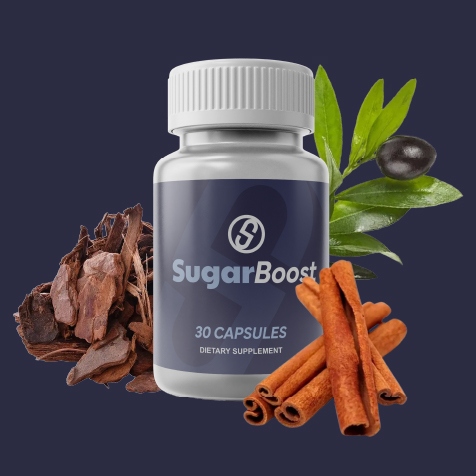
What Is a Sugar Boost?
A sugar boost refers to the rapid rise in energy and alertness that occurs after consuming sugar-rich foods or drinks. Sugar is a simple carbohydrate that the body quickly converts into glucose — the primary fuel source for your cells.
When you eat something sweet:
-
Sugar enters the bloodstream quickly
-
Blood glucose levels rise
-
The body releases insulin
-
Cells absorb glucose for energy
-
You feel temporarily energized and alert
This process can happen within minutes, which is why sugary foods are often used for quick energy before workouts, during long study sessions, or when someone feels tired or lightheaded.
However, the speed of this boost is also the reason why it often doesn’t last.
✅Click Here To Visit Sugar Boost — “OFFICIAL WEBSITE”✅
How Sugar Affects Energy Levels
Sugar is fast fuel — but fast fuel burns fast.
When blood sugar rises rapidly, insulin works to bring it back down. In many cases, insulin may lower blood sugar quickly, sometimes too quickly, leading to what people call a sugar crash.
The Typical Sugar Energy Cycle
-
You consume sugar
-
Blood sugar spikes
-
Energy and mood rise
-
Insulin surges
-
Blood sugar drops
-
Fatigue and cravings return
This cycle can repeat throughout the day if someone relies heavily on sugary snacks or drinks. Over time, this pattern may lead to:
-
Energy instability
-
Brain fog
-
Irritability
-
Increased hunger
-
More sugar cravings
That’s why a sugar boost can feel helpful in the moment but problematic when used repeatedly.

Common Sources of Sugar Boosts
Many everyday foods and drinks provide quick sugar boosts — sometimes more than people expect.
Obvious Sugar Sources
-
Candy and chocolate bars
-
Sweets and desserts
-
Sugary beverages
-
Energy drinks
-
Sweetened coffee drinks
-
Soft drinks
Hidden Sugar Sources
-
Breakfast cereals
-
Flavored yogurt
-
Granola bars
-
Packaged smoothies
-
Sauces and dressings
-
White bread and refined carbs
Even foods that don’t taste very sweet can break down quickly into glucose and act like sugar inside the body.
When a Sugar Boost Can Be Useful
Sugar is not always bad. In certain situations, a sugar boost is actually helpful and sometimes necessary.
During Intense Physical Activity
Athletes and endurance performers may benefit from fast carbohydrates because:
-
Muscles need rapid fuel
-
Glucose restores glycogen stores
-
Performance can improve
-
Fatigue can be delayed
That’s why sports drinks and energy gels contain sugar.
Low Blood Sugar Situations
People experiencing low blood sugar symptoms may need fast sugar intake. Symptoms can include:
-
Dizziness
-
Shaking
-
Sweating
-
Confusion
-
Weakness
In such cases, quick sugar can restore safe glucose levels rapidly.
Medical or Emergency Use
In clinical or emergency scenarios, fast glucose is often used because it acts quickly and predictably.

The Problem With Frequent Sugar Boosts
While occasional sugar boosts can be useful, relying on them daily can create long-term issues.
Energy Instability
Frequent spikes and crashes can make energy levels unpredictable. Instead of steady focus and stamina, you may feel like you’re constantly chasing the next boost.
Increased Fat Storage
Excess sugar that isn’t used immediately for energy may be stored as fat. High sugar intake is associated with:
-
Weight gain
-
Increased belly fat
-
Metabolic slowdown
Insulin Resistance Risk
Repeated blood sugar spikes may contribute over time to insulin resistance, where the body becomes less responsive to insulin signals. This is linked with metabolic disorders.
Cravings and Habit Formation
Sugar activates reward pathways in the brain. Frequent exposure can increase desire and habitual consumption, making moderation harder.
Sugar and Mental Performance
Many people use sugar to improve concentration and mental alertness. The brain does use glucose as fuel — but the relationship isn’t as simple as “more sugar = more brain power.”
Short-Term Effects
Immediately after sugar intake:
-
Alertness may rise
-
Mood may improve
-
Reaction speed may increase
Short-Lived Benefits
These effects are often temporary. After the spike comes the dip, which may cause:
-
Reduced focus
-
Mental fatigue
-
Irritability
-
Reduced productivity
Stable glucose supply is better for cognitive performance than sharp peaks and drops.
Natural vs Refined Sugar Boosts
Not all sugar sources behave the same way in the body.
Refined Sugar
Refined sugars are processed and stripped of fiber and nutrients. They are absorbed very quickly.
Examples:
-
Table sugar
-
Corn syrup
-
Candy
-
Soda
These cause faster spikes and crashes.
Natural Sugar With Fiber
Sugars found in whole foods are usually combined with fiber, water, and nutrients, which slow absorption.
Examples:
-
Fruits
-
Vegetables
-
Whole grains
These provide a gentler, more sustained energy curve.
Better Alternatives to Quick Sugar Boosts
If you want energy without the crash, smarter fuel choices help.
Combine Carbs With Protein
Protein slows digestion and stabilizes blood sugar.
Good pairings:
-
Fruit + nuts
-
Whole grain toast + eggs
-
Yogurt + seeds
Choose Complex Carbohydrates
Complex carbs digest more slowly and provide longer-lasting energy.
Examples:
-
Oats
-
Brown rice
-
Quinoa
-
Whole grains
Add Healthy Fats
Healthy fats also slow glucose release and support sustained energy.
Examples:
-
Avocado
-
Nuts
-
Seeds
-
Olive oil

The Role of Fiber in Energy Control
Fiber is one of the most powerful tools for managing sugar boosts naturally.
Fiber helps:
-
Slow sugar absorption
-
Reduce blood sugar spikes
-
Improve satiety
-
Support gut health
High-fiber meals create steadier energy and fewer crashes compared to low-fiber sugary snacks.
Sugar Boost vs Sustainable Energy
A sugar boost is like lighting a match — quick flame, short burn.
Sustainable energy is like a candle — slower to light, but steady and reliable.
Quick Boost Strategy
-
Useful for emergencies
-
Helpful in endurance sports
-
Good for occasional use
Sustainable Energy Strategy
-
Balanced meals
-
Fiber-rich carbs
-
Adequate protein
-
Healthy fats
-
Hydration
-
Sleep
Long-term performance depends more on sustainable energy than instant boosts.
Sugar, Mood, and Emotional Eating
Sugar doesn’t just affect energy — it also influences mood.
Many people reach for sweets when stressed, anxious, or tired. Sugar can temporarily increase feel-good brain chemicals, but the emotional lift is often short-lived.
This pattern can lead to:
-
Stress eating
-
Habitual snacking
-
Emotional dependency on sugar
-
Mood swings
Better mood-support strategies include:
-
Walking
-
Breathing exercises
-
Protein snacks
-
Hydration
-
Rest breaks
Smart Ways to Use Sugar Without Crashing
You don’t have to eliminate sugar entirely. The key is how and when you use it.
Practical Tips
-
Never eat sugar alone — pair with protein or fat
-
Avoid sugary foods on an empty stomach
-
Choose whole fruit over juice
-
Use sweets after meals instead of before
-
Keep portions moderate
-
Avoid liquid sugar when possible
Liquid sugar absorbs fastest and causes the sharpest spikes.

Reading Labels to Avoid Hidden Sugar
Packaged foods often contain more sugar than expected. Learning label awareness helps prevent accidental overconsumption.
Watch for names like:
-
Glucose syrup
-
Fructose
-
Sucrose
-
Maltose
-
Dextrose
-
Cane juice
-
Rice syrup
Multiple sugar sources in one product usually mean higher total sugar.
Sugar Boost and Exercise Timing
Exercise changes how the body handles sugar.
Before Exercise
A small carb snack may help if:
-
Workout is long
-
Intensity is high
-
You haven’t eaten recently
After Exercise
Carbs combined with protein help:
-
Restore glycogen
-
Support recovery
-
Reduce fatigue
In this context, sugar is more likely to be used efficiently rather than stored.
The Bottom Line
A sugar boost can provide fast energy, but it is not a long-term energy solution. While it has useful roles in athletic performance, low blood sugar situations, and occasional fatigue, relying on sugar for daily energy can lead to crashes, cravings, and metabolic stress.
The smarter approach is to build steady energy habits through balanced meals, fiber-rich carbohydrates, protein, healthy fats, hydration, and proper rest. Sugar can still fit into a healthy lifestyle — but as a tool, not a foundation.
If you want, I can next turn this into an SEO-optimized version, a product-style article, or a buyer guide format.