

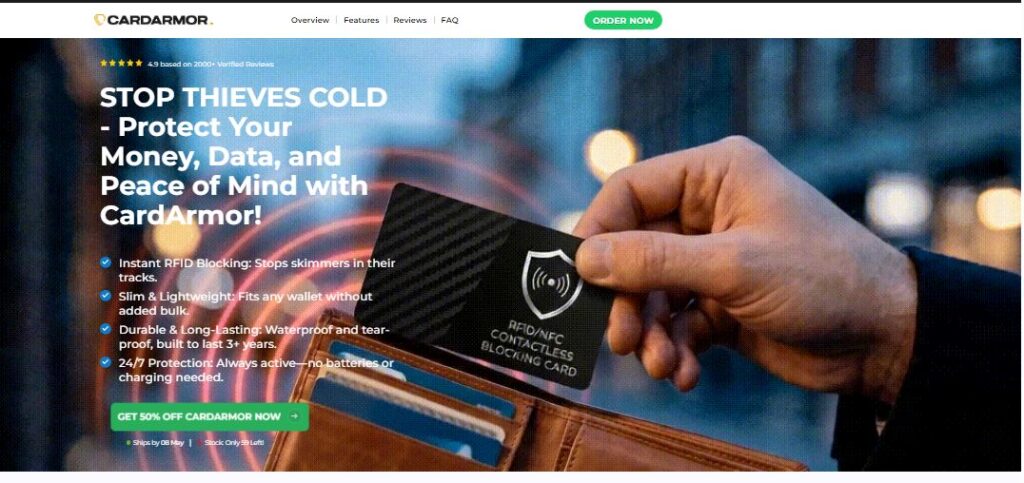
In today’s digital world, protecting personal and financial information has become more important than ever. With contactless payment systems becoming the norm, many people now carry debit cards, credit cards, IDs, and travel cards that use RFID technology. While this makes payments quick and convenient, it also creates new security risks. Cyber thieves can potentially scan sensitive card information without even touching your wallet. This growing concern has led to the popularity of RFID-blocking solutions like Card Armor.
Card Armor is a slim RFID-blocking card designed to protect users from digital theft and unauthorized scanning. Unlike bulky wallets or expensive tech gadgets, this compact security tool fits directly inside your wallet and works automatically. It promises advanced protection against RFID skimming while maintaining convenience and portability.
But does Card Armor actually work? Is it worth adding to your everyday carry essentials? In this detailed review, we’ll explore everything you need to know about Card Armor, including its features, benefits, functionality, pros, cons, and whether it’s truly effective for modern digital security.
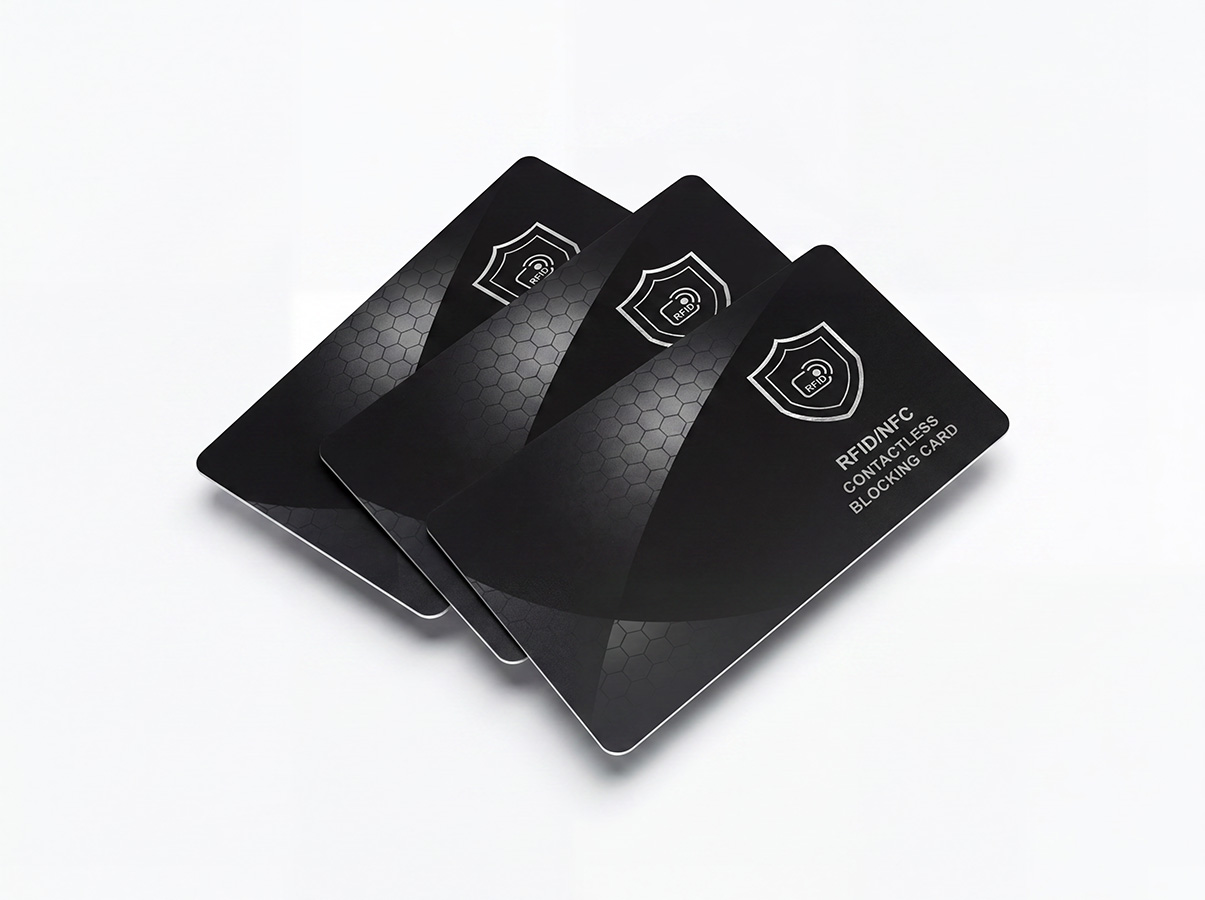
What Is Card Armor?
Card Armor is an RFID and NFC blocking card created to protect sensitive information stored on contactless cards. It is built using electromagnetic shielding technology that interferes with unauthorized RFID signals attempting to access your card data.
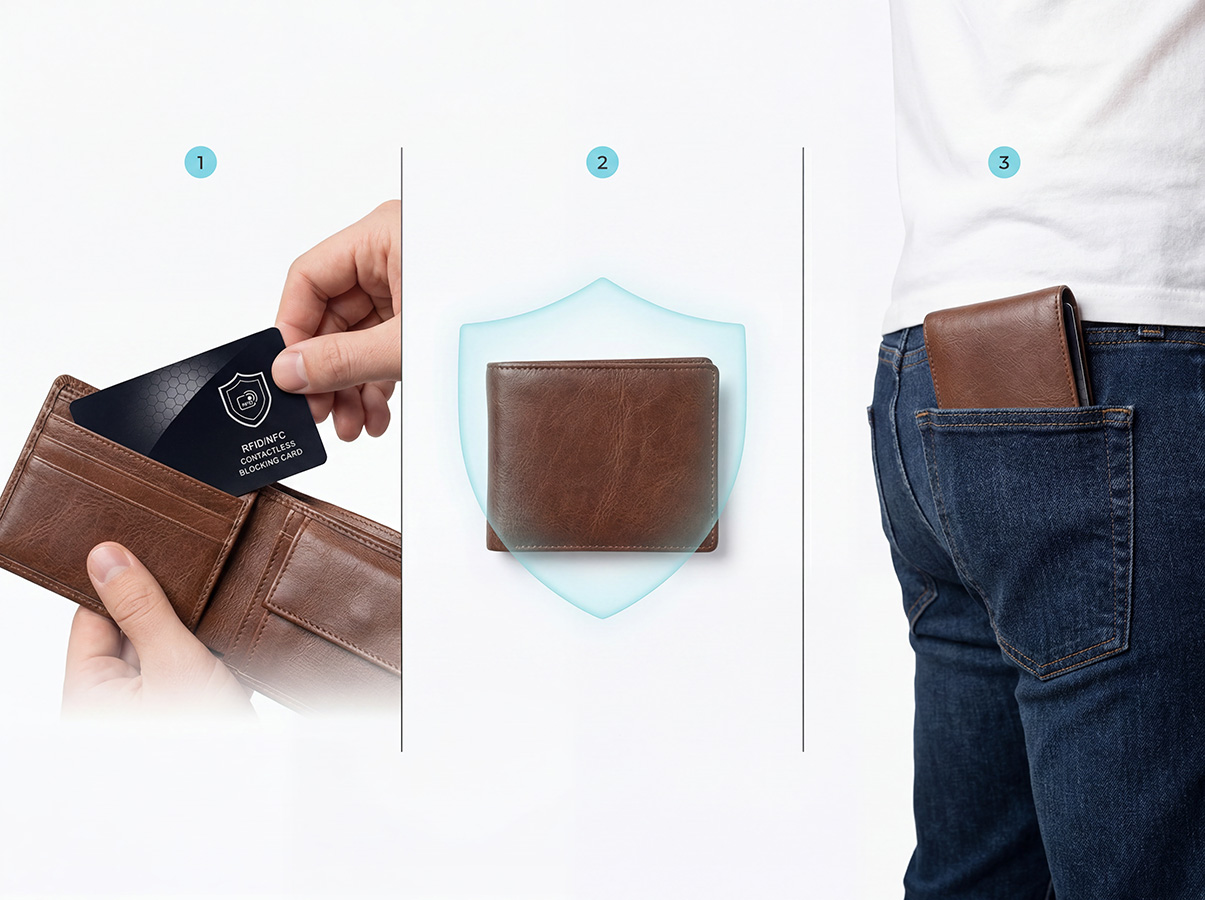
The card is designed to be placed inside a wallet, purse, or cardholder alongside your bank cards and identification cards. Once inserted, it creates a protective barrier that blocks unwanted digital scans. Since it has the same size and shape as a standard credit card, it easily fits into most wallets without taking up extra space.
The primary goal of Card Armor is to reduce the risk of digital theft and identity fraud caused by RFID skimming devices. Many modern cards contain chips that communicate wirelessly with payment terminals. Criminals with scanning devices can sometimes capture information remotely in crowded places like airports, malls, public transportation, and cafes. Card Armor aims to stop these attempts before they happen.
How Does Card Armor Work?
Card Armor uses advanced RFID-blocking technology to disrupt electromagnetic signals. RFID-enabled cards transmit information using radio frequencies. When a scanner attempts to read your card, the protective shielding inside Card Armor interferes with the signal and prevents unauthorized communication.
The process works automatically without batteries, charging, or software installation. Once placed in your wallet, the card begins protecting nearby cards instantly. Most versions are designed to cover multiple cards within a short range, making them highly convenient for people who carry several contactless cards together.
Unlike digital security apps or electronic anti-theft devices, Card Armor requires no maintenance. Its passive protection system continuously works in the background whenever your wallet is closed or stored.
Key Features of Card Armor
Slim and Lightweight Design
One of the standout features of Card Armor is its compact design. The card is extremely thin and lightweight, making it easy to insert into any wallet or purse without adding bulk.
RFID and NFC Blocking
Card Armor blocks both RFID and NFC signals, helping protect a wide range of contactless payment cards, IDs, and access cards from unauthorized scanning attempts.
No Battery Required
Since the card works using passive electromagnetic shielding, it does not require charging, batteries, or maintenance. Users can simply place it in their wallet and forget about it.
Durable Construction
Most Card Armor products are made from strong materials designed to resist bending, cracking, and daily wear. This makes them suitable for long-term use.
Universal Compatibility
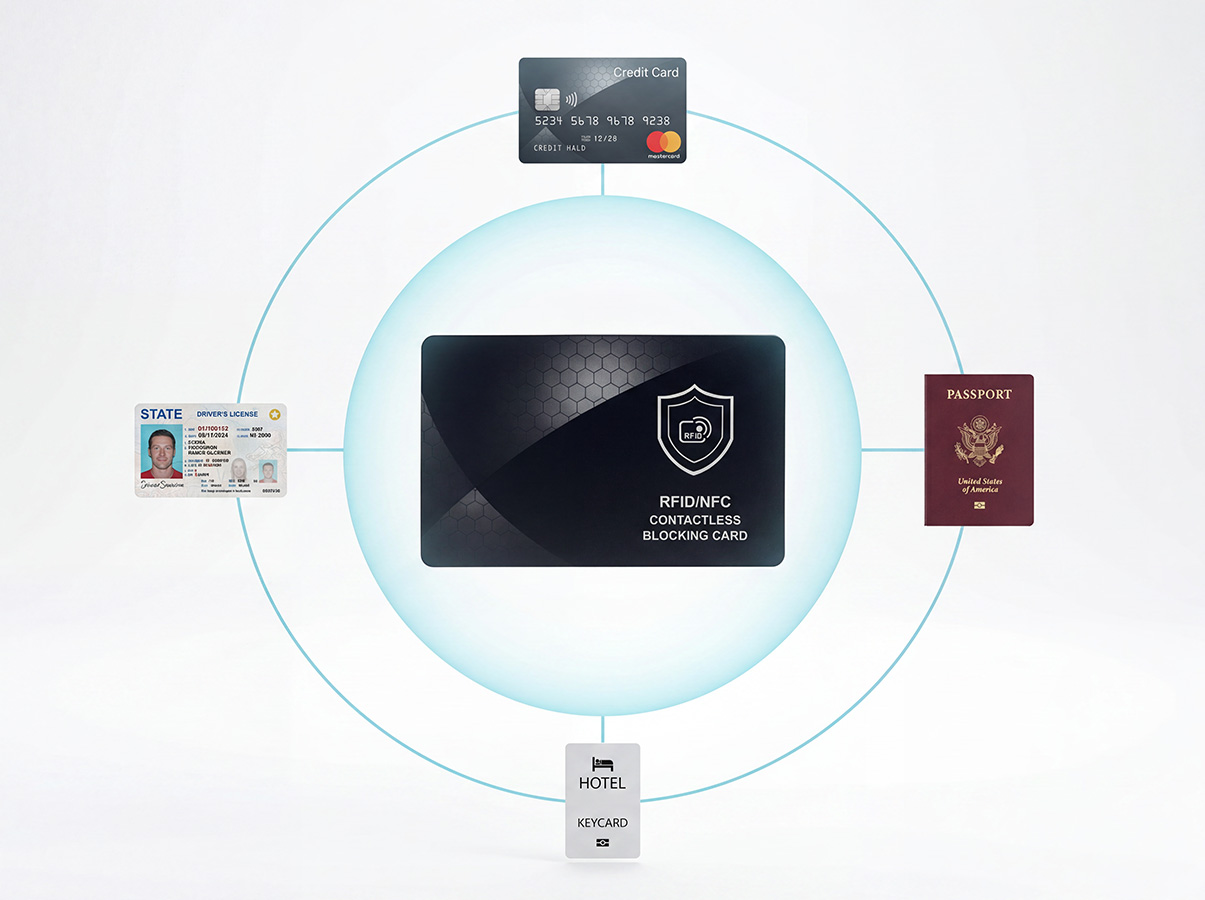
The card is compatible with most modern wallets and works with a variety of contactless cards, including:
- Credit cards
- Debit cards
- Passport cards
- Driver’s licenses
- Access cards
- Travel cards
Easy to Use
There are no complicated setup instructions. Users only need to place Card Armor inside their wallet for immediate protection.
Benefits of Using Card Armor
Enhanced Financial Security
The biggest advantage of Card Armor is protection against unauthorized RFID scans. This helps reduce the risk of digital theft and identity fraud.
Peace of Mind During Travel
Travelers often move through crowded environments where electronic pickpocketing risks may be higher. Card Armor provides additional reassurance while commuting, flying, or exploring busy public places.
Affordable Protection
Compared to replacing stolen cards or dealing with identity theft recovery, Card Armor offers a relatively low-cost security solution.
Convenient Everyday Use
Unlike RFID-blocking wallets that may require purchasing an entirely new wallet, Card Armor can simply be inserted into an existing wallet.
Long-Lasting Performance
Since there are no electronics or moving parts, the card can provide consistent performance over long periods without maintenance.
Who Should Use Card Armor?
Card Armor is suitable for nearly anyone who carries contactless payment cards or RFID-enabled IDs. It may be especially useful for:
Frequent Travelers
Airports, train stations, and tourist areas are common environments for digital theft concerns. Travelers can benefit from extra RFID protection.
Business Professionals
Professionals carrying multiple access cards and payment cards may appreciate the additional layer of security.
Students
Many student IDs now include RFID technology for building access and payments. Card Armor can help protect personal information.
Everyday Consumers
Anyone using tap-to-pay cards can potentially benefit from reducing exposure to unauthorized scans.
Pros and Cons of Card Armor
Pros
- Slim and portable
- Easy to use
- No charging or batteries needed
- Compatible with most wallets
- Helps protect against RFID skimming
- Durable and long-lasting
- Affordable compared to identity theft risks
Cons
- Does not protect against online hacking
- Effectiveness may vary depending on wallet arrangement
- Some users may prefer full RFID-blocking wallets
- Not necessary for cards without RFID technology
Is RFID Theft a Real Concern?
RFID theft is a topic often debated among cybersecurity experts. While large-scale RFID crime may not be as common as online scams or phishing attacks, unauthorized scanning technology does exist. Criminals continuously develop new ways to exploit digital payment systems, and contactless technology introduces additional vulnerabilities.
For many users, Card Armor serves as a preventative security measure. Even if the risk level is relatively low, some people prefer taking extra precautions to protect financial information and personal identity.
In today’s world, security awareness is increasingly important. Small protective steps can help reduce exposure to unnecessary risks.
Card Armor vs RFID-Blocking Wallets
Some consumers wonder whether they should choose Card Armor or purchase an RFID-blocking wallet. Both options aim to solve the same problem, but there are important differences.
Card Armor Advantages
- Lower cost
- Works with existing wallets
- Lightweight and portable
- Easy replacement if lost
RFID Wallet Advantages
- Full-wallet protection
- Often stylish and multifunctional
- No need to position a separate blocking card
For users satisfied with their current wallet, Card Armor may be the more convenient option. Those already planning to buy a new wallet might consider an RFID-blocking wallet instead.
Tips for Maximizing Card Armor Effectiveness
To achieve the best results, users should follow a few simple tips:
- Place Card Armor in the center of your wallet near contactless cards
- Keep cards tightly grouped together
- Avoid overstuffing the wallet
- Replace damaged cards if they become bent or cracked
- Store your wallet securely in crowded areas
These simple practices can improve overall security and help the card perform more effectively.
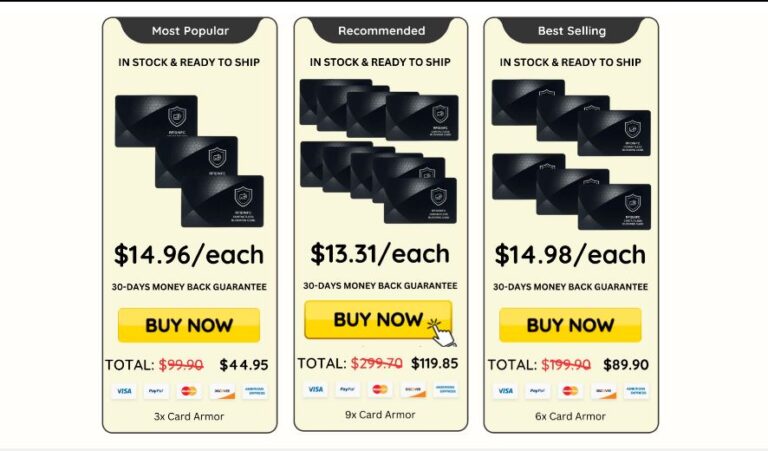
Customer Feedback and Popularity
Card Armor has gained popularity among users seeking affordable digital protection. Many customers appreciate its simplicity, portability, and ease of use. Positive reviews often mention peace of mind while traveling and satisfaction with the slim design.
Some users report successfully testing the card by attempting contactless payments while the protector was in place. Others appreciate avoiding the need to purchase an entirely new wallet.
As awareness of electronic theft grows, RFID-blocking products like Card Armor continue attracting attention from consumers focused on personal security.
Final Verdict: Is Card Armor Worth It?
Card Armor offers a practical and convenient solution for people concerned about RFID skimming and unauthorized wireless scanning. Its slim design, maintenance-free functionality, and universal compatibility make it an appealing everyday security accessory.
While no product can guarantee complete protection from all forms of fraud or cybercrime, Card Armor provides an extra layer of defense against contactless data theft. For users carrying multiple RFID-enabled cards, the added peace of mind may be well worth the investment.
Overall, Card Armor stands out as an affordable, portable, and user-friendly security tool for modern digital lifestyles. Whether you travel frequently or simply want additional protection for your financial information, this compact RFID-blocking card may be a smart addition to your wallet.